
From Foundation to Finish: How Construction Heating Protects Your Home
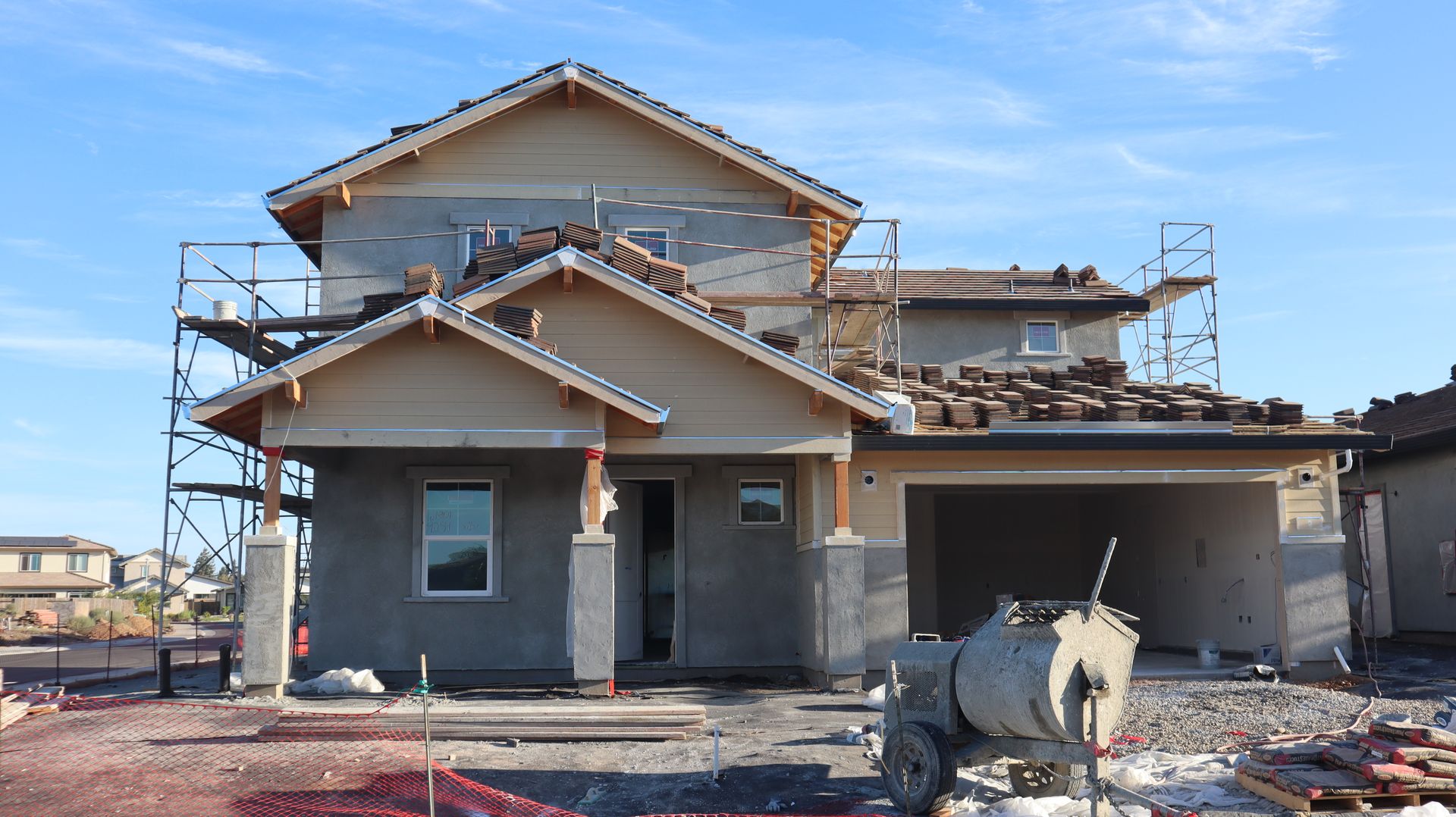
Building a home is an exciting process, but it can also be surprisingly vulnerable to cold weather. Low temperatures, excess moisture, and damp building materials can create problems that affect both the schedule and the quality of the finished property. Construction heating provides a practical way to create a more stable environment while work is underway. From the early stages of construction to interior finishing, the right heating approach can help protect materials, support drying, and make working conditions more comfortable.
Choosing the Right Construction Heating System
When a home is still under construction, its permanent heating system may not be installed or operational yet. A temporary solution such as a Bauheizung Heizblitz can provide the warmth needed while builders work on the property. The ideal system depends on the size of the building, its level of insulation, the stage of construction, and the outside temperature. A suitable construction heater can maintain a more consistent indoor temperature without requiring the finished heating system to be completed first.

Protecting the Foundation From Cold Weather
The foundation is one of the most important parts of any home, and cold conditions can make early construction more challenging. Concrete and other building materials need suitable environmental conditions while they cure and develop strength. Construction heating can help maintain a more controlled temperature around the work area during colder periods. This can be particularly useful when construction continues through late autumn or winter, helping reduce the impact that freezing conditions can have on the building process.
Helping Concrete and Materials Cure Properly
Many materials used during construction perform best within certain temperature ranges. Extremely cold conditions can slow down curing and drying, potentially affecting the timing of the next stage of work. Maintaining a suitable temperature with construction heating can support more predictable drying and curing conditions. This does not replace proper construction practices, but it can help create an environment where materials can perform as intended.
Controlling Moisture Inside a New Home
Moisture is another major concern during home construction. Fresh concrete, plaster, screed, paint, and other materials can introduce significant amounts of moisture into a building. When the building remains cold, that moisture can take much longer to leave. Construction heating helps raise the indoor temperature, which can support the drying process when combined with appropriate ventilation and moisture management. Keeping the building environment under control can reduce the risk of prolonged dampness.
Making Screed and Flooring Work Easier
Floor screed needs time to dry before many types of flooring can be installed. Rushing this stage can create problems later, particularly when moisture becomes trapped beneath finished flooring. Construction heating can help create warmer and more stable conditions for the drying process. When used correctly alongside ventilation and moisture monitoring, it can help the project move toward the flooring stage without relying entirely on unpredictable outdoor temperatures.

Protecting Interior Finishes
As construction moves indoors, sensitive finishes such as plaster, paint, wood, and other materials become increasingly important. Cold and damp conditions can interfere with drying times and may affect the final appearance of some finishes. Keeping interior temperatures stable can give these materials better conditions in which to dry and settle. This is especially valuable when several trades are working on the same home, and each stage depends on the previous one being completed properly.
Keeping Workers Comfortable and Productive
Construction heating is not only about protecting the building. It can also make a cold construction site considerably more comfortable for workers. Working for long periods in an unheated building during winter can be unpleasant and may make certain tasks more difficult. A properly selected temporary heating system can create a more workable environment, allowing construction teams to continue with interior tasks even when outdoor temperatures drop.
Reducing Weather-Related Construction Delays
Winter weather can disrupt a building schedule in several ways. Frozen conditions, slow drying times, and uncomfortable working environments can all push deadlines further back. Construction heating gives builders another way to manage cold conditions rather than simply waiting for warmer weather. While it cannot eliminate every weather-related challenge, it can help maintain progress during important stages of construction. Moisture can have a significant impact on how a home is built. Construction heating helps create more controlled conditions, supporting material drying, protecting the building during cold weather, and keeping work moving forward. For homeowners and builders working through colder months, it can be a valuable part of a well-built home project.
From the foundation to the final interior finish, temperature and moisture can have a significant impact on how a home is built. Construction heating helps create more controlled conditions, supporting material drying, protecting the building during cold weather, and keeping work moving forward. For homeowners and builders working through colder months, it can be a valuable part of a well-planned construction strategy.

