
How Water Conservation Features Benefit Modern Households
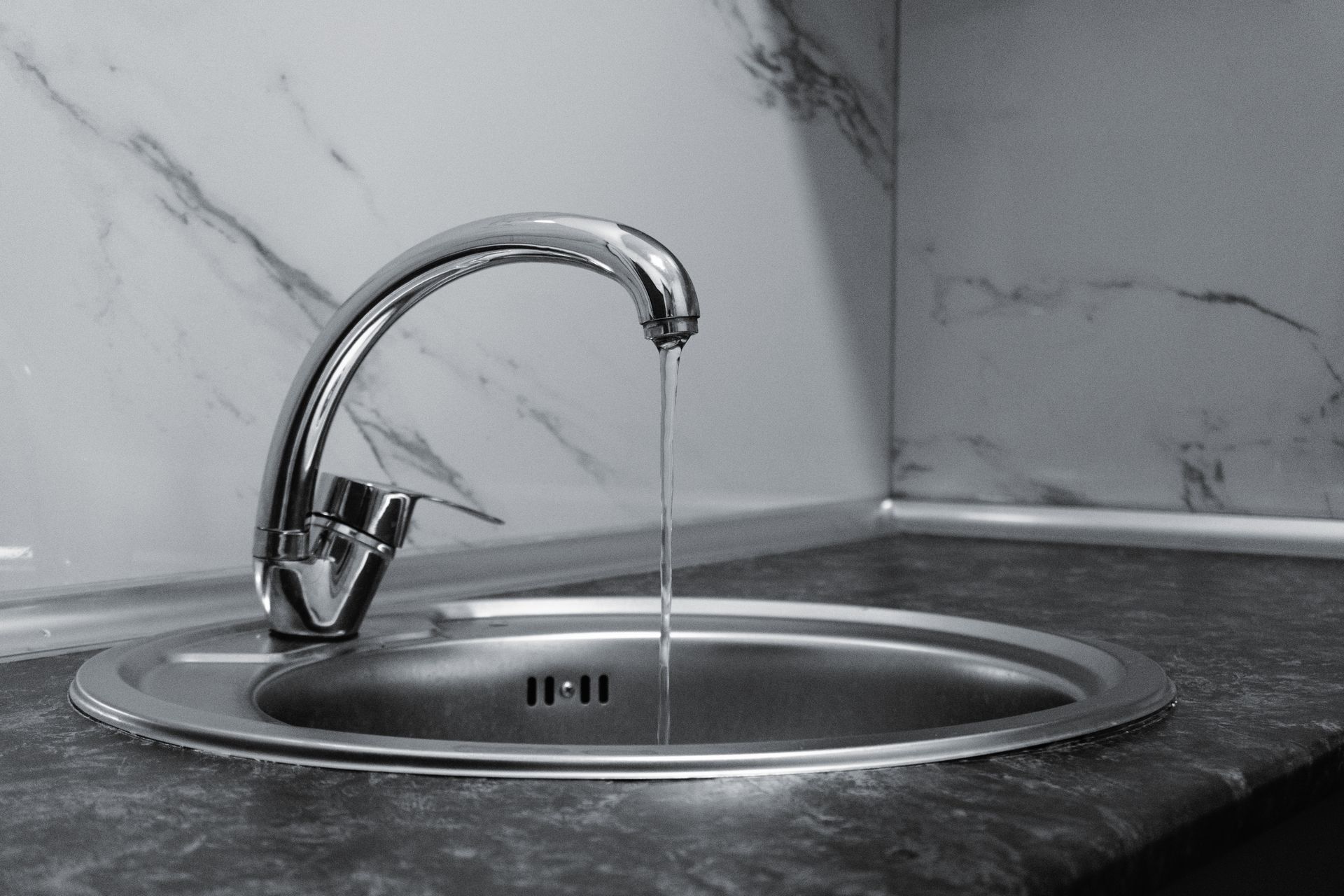
Water conservation features are systems and fixtures designed to reduce unnecessary water use while maintaining daily household functionality. These include low-flow taps, efficient showerheads, dual-flush toilets, rainwater-harvesting systems, and smart irrigation controls. In modern households, such features are becoming increasingly important as water demand continues to rise alongside urban population growth. Conservation is not only about limiting use but also about improving the efficiency with which water is distributed and consumed. By using water more thoughtfully, households can reduce waste while still meeting everyday needs such as cooking, cleaning, and hygiene without compromising comfort or convenience.
Reducing Household Utility Costs Through Efficiency
One of the most immediate benefits of water conservation features is reduced utility bills. Since water usage directly influences monthly expenses, efficient systems help households lower overall consumption without requiring major lifestyle changes. Fixtures designed to regulate flow use less water during activities such as washing dishes or taking showers, thereby significantly reducing long-term costs. Over time, these savings accumulate and create a noticeable difference in household budgeting. Efficient water use also reduces the energy required to heat water, contributing to additional savings on electricity or fuel bills and further improving household financial efficiency.
Supporting Sustainable Environmental Practices
Water conservation features play a key role in promoting environmental sustainability by reducing pressure on natural water sources. As freshwater availability becomes increasingly limited in many regions, responsible water use helps preserve ecosystems and maintain a balanced distribution of resources. Reducing unnecessary consumption also reduces the energy required for water treatment and distribution, thereby lowering overall environmental impact. Households that adopt conservation practices contribute to broader efforts to protect rivers, lakes, and groundwater reserves. This collective reduction in demand supports long-term environmental stability and ensures that water resources remain available for future generations.
Improving Water Management in Daily Activities

Modern water-saving systems are designed to improve how water is managed during everyday household tasks. For example, smart irrigation systems adjust watering schedules based on weather conditions, ensuring gardens receive only the water they need. Similarly, efficient appliances such as washing machines and dishwashers optimize water usage based on load size and cycle requirements. These technologies help eliminate waste caused by overuse or inefficient manual control. By improving household water management, these features enable residents to maintain cleanliness and comfort while using fewer resources. This balance between efficiency and convenience is a key advantage of modern conservation systems.
Increasing Property Value and Long-Term Appeal
Homes equipped with water conservation features often have higher long-term value due to their efficiency and sustainability benefits. As environmental awareness increases, buyers are more likely to prioritize properties that offer lower utility costs and eco-friendly systems. Water-efficient homes are seen as modern, forward-thinking, and cost-effective, which enhances their appeal in competitive housing markets. In some regions, governments and utility providers also offer incentives or rebates for installing water-saving systems, further increasing their value. These factors make water conservation features not only practical but also financially beneficial for property investors.
Water conservation features provide multiple benefits for modern households by improving efficiency, reducing costs, and supporting environmental sustainability. They help manage daily water use more effectively while minimizing waste and lowering utility expenses. At the same time, they contribute to long-term resource preservation and increase the overall value of residential properties. As water scarcity and environmental concerns continue to grow, adopting efficient water systems becomes an important step toward responsible living. These features demonstrate how practical household improvements can also support broader ecological and economic goals.

